Small and Completely Magic - A Story about Joy
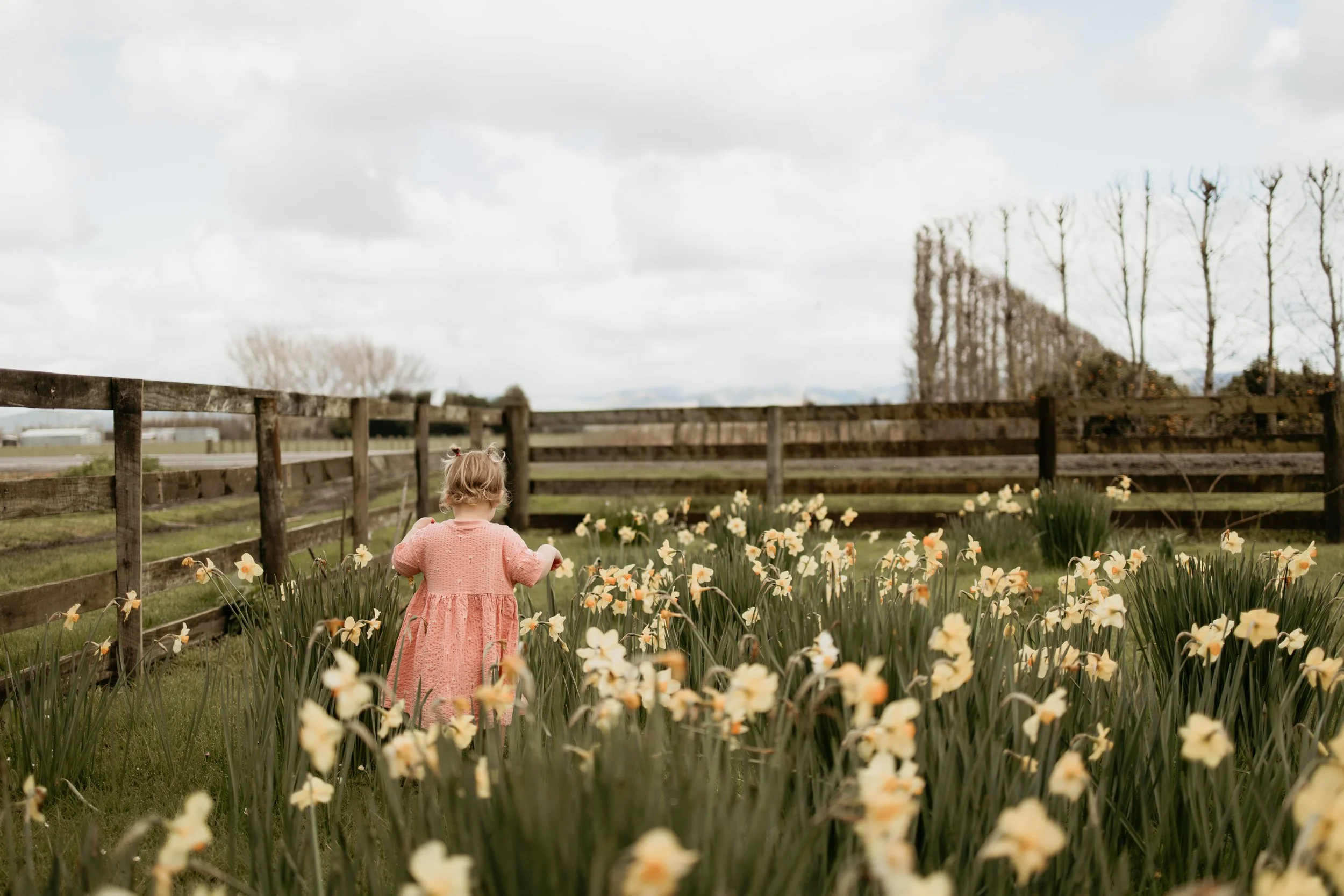
One of our children spent a frosty morning last week completely convinced that Jack Frost had visited overnight. By morning tea she’d renamed the whole thing “a beautiful winter’s day,” and mostly she just wanted to stand there watching her own breath turn to smoke — not once, but over and over, delighted in a way that looked exactly the same on the twentieth breath as it did on the first.
That’s about as clear a picture of a young child’s joy as we could ask for. Not new. Not bigger. The same thing, again, until it’s completely hers. A four-year-old’s joy is often, in our experience, less about novelty than we as adults tend to assume — it’s more about depth, going back into an experience she already loves until she’s had enough of it, however long that takes.
This is almost the opposite of how we, as adults, are often trained to think about joy, especially now. We tend to reach for the next thing, the new thing, the bigger experience, half-suspecting joy is something found by adding more.
Children seem to know better, even if they couldn’t explain it. Their joy tends to live in the small and the repeated — the same puddle, the same silly line in a story, the same trick that made someone laugh yesterday and might work again today.
At Willowsong, this shapes what a day is built from, as best we can manage it. Simple materials, used slowly, over and over. The same circle songs, morning after morning. Long stretches of unhurried time, rather than a day packed edge to edge with new activities and stimulation. Variety still has its place — the seasons change, the garden changes, new stories arrive — but the base rhythm of a day stays steady enough that a child can go deep into it, rather than skimming across the surface of one novelty after another.
There’s a real difference between joy and excitement, even though from the outside they can look alike. Excitement tends to spike and then need topping up — a child who’s been entertained often ends up asking for more entertainment. Joy tends to settle a child rather than wind them up. You can often tell the difference by watching what happens next: an excited child usually wants something else; a joyful child, like ours with her frosty breath, is often quite happy to just keep doing the same thing.
We don’t offer this as a technique for producing happier children — joy isn’t something that can really be manufactured on demand, in a child or an adult. What we try to offer instead is the conditions for it: time that isn’t rushed, materials that reward real attention, and enough repetition that a child gets to go all the way into an experience rather than being pulled away just as it’s getting good.
What a child carries forward from years of this kind of joy probably isn’t the memory of any one exciting day. It’s something steadier: the sense that ordinary moments, paid proper attention, are enough. That’s not a small thing to give a person this early.